Name the Relationship
A large topic is narrowed to one relationship that can be observed without relying on taste or vague motivation.

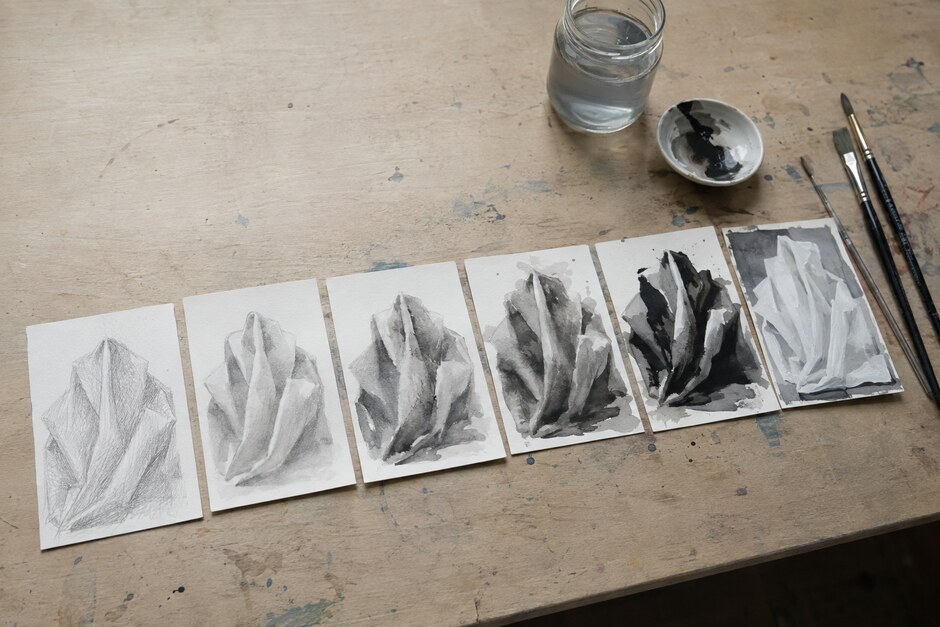
A philipbittner.com guide begins with a visible relationship: two intervals, three value groups, a warm and cool neutral, or a hard edge beside a lost one. The relationship is isolated, tested in small studies, and translated into a decision that can survive inside original work.
A large topic is narrowed to one relationship that can be observed without relying on taste or vague motivation.
Materials, scale, time, and subject are limited so a change in the result has a readable cause.
Several compact attempts reveal more than one polished example because their differences can be placed side by side.
The most useful observation is carried into a new subject, larger work, or different medium to test whether it truly transfers.
Technique becomes memorable when two conditions produce visibly different outcomes. More water or less, connected values or scattered contrast, a crisp boundary or a disappearing one: the comparison explains the mechanism more clearly than copying a single finished example.
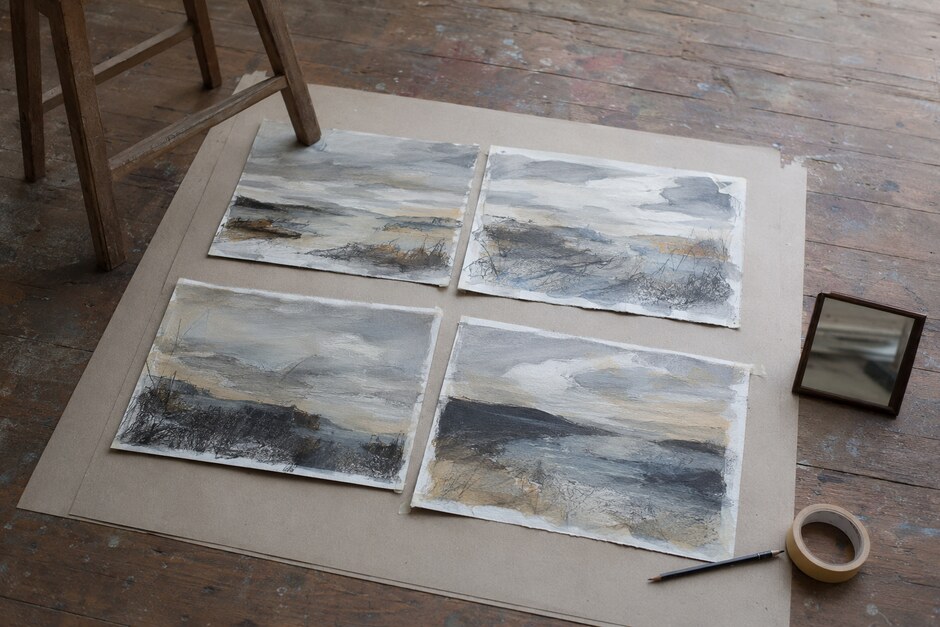
A guide should remove the friction of beginning while leaving the finished image open. The experiment, variables, and review method are defined; subject, pace, medium, and personal interpretation remain with the artist.